Scissor vs. boom: core differences
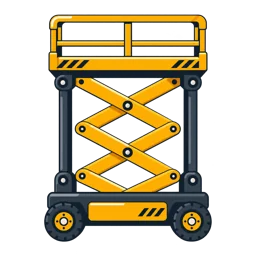
- Scissor lifts: Vertical reach and larger platforms. Best when the machine can sit below the work. Split into indoor electric and outdoor rough-terrain classes. See /electric-scissor-lift-rental/ and /rough-terrain-scissor-lift-rental/.
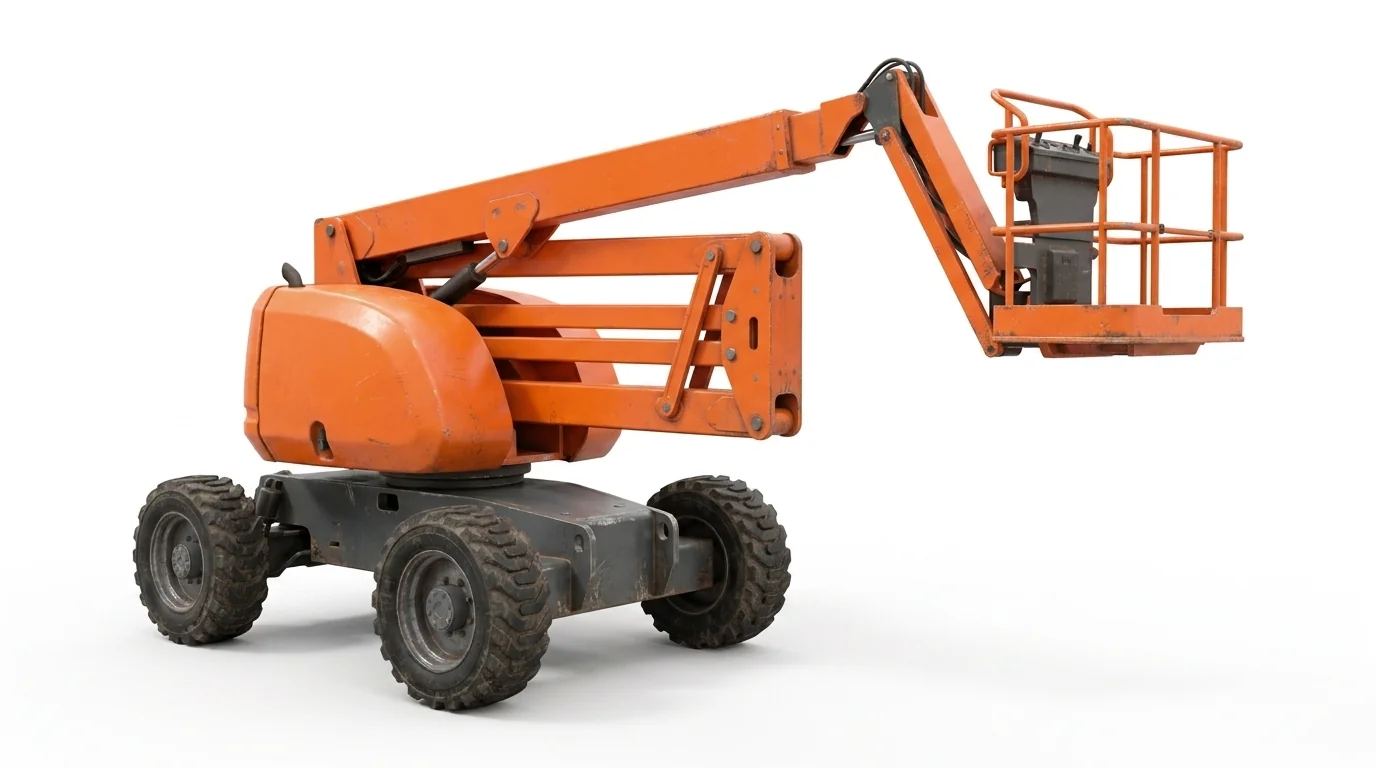
- Articulating and telescopic booms: Up-and-over or straight outreach when obstacles prevent a straight vertical approach. Explore options at /boom-lift-rental/.
Local factors that change the math
- Salt and humidity: Coastal air increases the importance of corrosion-aware maintenance and protected electricals.
- Wind corridors: Open yards and waterfront-adjacent areas can produce gusts that impact allowable work at height.
- Ground conditions: Heavy clays may soften after rain; rough-terrain platforms or booms with appropriate tires and stance help when the surface supports them.
Choosing by task geometry
- Interior maintenance: When doorways and elevators limit width and weight, compact electric scissors are common.
- Exterior façade or steel: Rough-terrain scissors handle vertical work where staging space is available.
- Up-and-over around obstacles: Articulating booms clear piping, canopies, and set-backs.
- Long, straight reaches: Telescopic booms suit stand-off work across open pads.
Actual conditions, the selected unit’s instructions, and site procedures govern exterior or elevated work in wind-prone areas.
Planning checkpoints
- Maximum platform height required.
- Narrowest travel point from unloading to work area.
- Surface rating and bearing capacity after rain.
- Space on the platform for people and materials.
Helpful paths
- Indoor scissor lifts: /electric-scissor-lift-rental/
- Outdoor scissor lifts: /rough-terrain-scissor-lift-rental/
- Boom lift overview: /boom-lift-rental/