Where straight booms fit best
- Long façade runs, pipe racks with clear approach, or lighting installs along open lots
- Exterior steel work where reach and precise platform positioning matter
- Maintenance on tall structures with minimal overhangs or setbacks
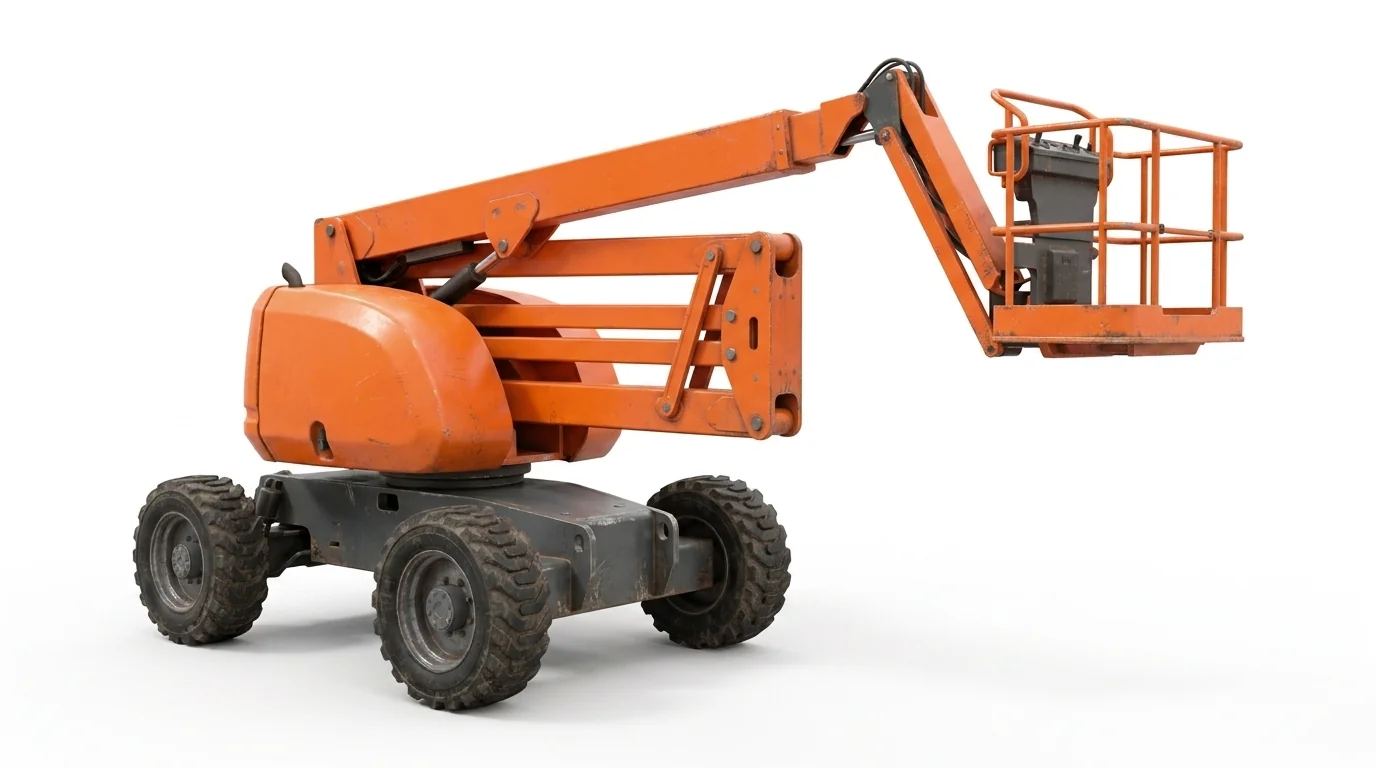
If the task sits behind a parapet or canopy, compare /articulating-boom-lift-rental/ for up-and-over geometry.
Local site conditions to factor
- Wind exposure: Open coastal areas and large yards can funnel gusts. Match planned work windows with the unit’s wind rating and site procedures.
- Ground bearing: Heavy clay soils can soften after rain, affecting tire support and settling. Engine-powered rough-terrain models with larger footprints may be needed outdoors.
- Corrosive air: High salinity accelerates wear on electronics and hydraulics. For multi-phase projects, consider units maintained for coastal duty cycles.
Access, transport, and set-up envelope
Telescopic booms are longer and may require more turning space. Confirm: - Narrowest gate or doorway on the approach - Slopes, ramps, and surface transitions - Turning radii near laydown areas and travel paths
Power type and tire packages
- Electric/Hybrid: Useful for partially enclosed sites or when noise limits apply. Check charging access and slab strength.
- Diesel: Suited to exterior industrial work and construction where gradeability and rough-terrain tires are needed.
Pairing with other equipment
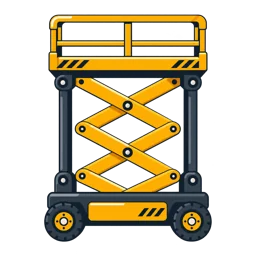
For repetitive vertical tasks on slabs, a scissor at /rough-terrain-scissor-lift-rental/ or /electric-scissor-lift-rental/ may handle crews efficiently, while the straight boom addresses distant points along the elevation.
Safety context for exterior work
Actual site conditions, the selected unit’s instructions, and established procedures govern safe operation. In this region, monitor changing winds and ground firmness throughout the work shift rather than relying on morning conditions alone.