Define the material move
Identify the heaviest load and where it must land: - Palletized materials to elevated decks or mezzanines - Pipe bundles over barriers into laydown zones - Bulk items into containers or onto platforms
Confirm whether the machine can sit directly in front of the landing point or must reach over a setback. Higher outreach at longer radii reduces rated capacity.
Corpus Christi site influences
- Soil and surface: Heavy clay can rut or soften after rain. Rough-terrain tires and wider stance models may be appropriate for exterior logistics.
- Wind and exposure: Open sites and waterfront-adjacent yards can experience gusts. Elevated load placement requires attention to the selected unit’s instructions and site procedures.
- Corrosion considerations: Salt air can impact electrics, connectors, and exposed metal. A coastal-minded maintenance schedule supports reliability on longer projects.
Carriage, forks, and attachments context
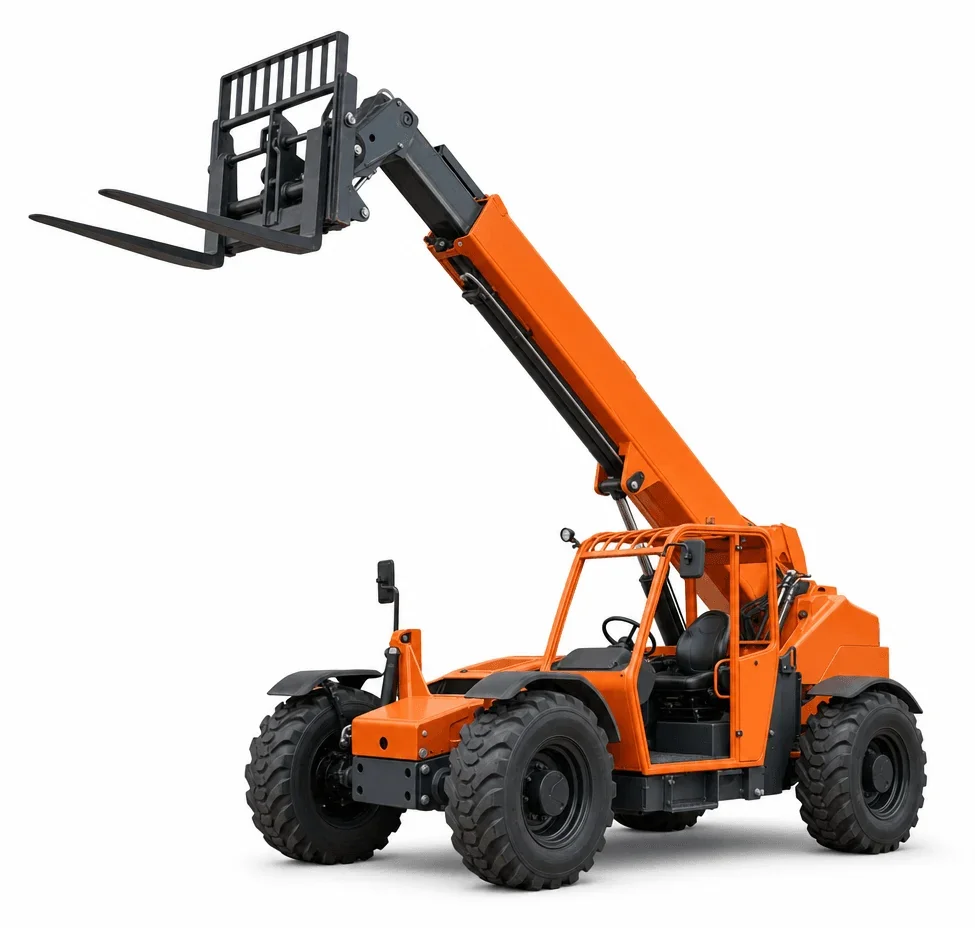
Choice of carriage and fork dimensions depends on pallet size and load stability. Side-shift or tilt functions can help with precise placement when approaches are limited by barriers or platforms. Match these selections to the load characteristics and receiving surface.
Access route and physical clearances
- Narrowing points: gates, temporary fencing, and material corridors
- Turning radii around storage containers or barricades; see /storage-containers-rental/ and /temporary-fencing-barricades-rental/ when planning site layout
- Ramp grades and slab edges that affect approach angles
Coordinating lifts with aerial work
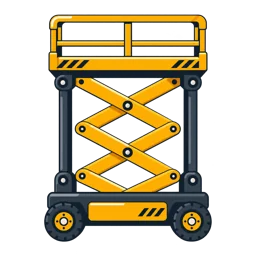
Telehandlers often support crews using /rough-terrain-scissor-lift-rental/ or /telescopic-boom-lift-rental/ by staging materials at elevation. Staggering paths reduces congestion in tight industrial zones.
Planning note
Exterior and elevated placement must follow the machine’s instructions and site procedures, especially under changing wind and ground conditions common to the regional climate.